




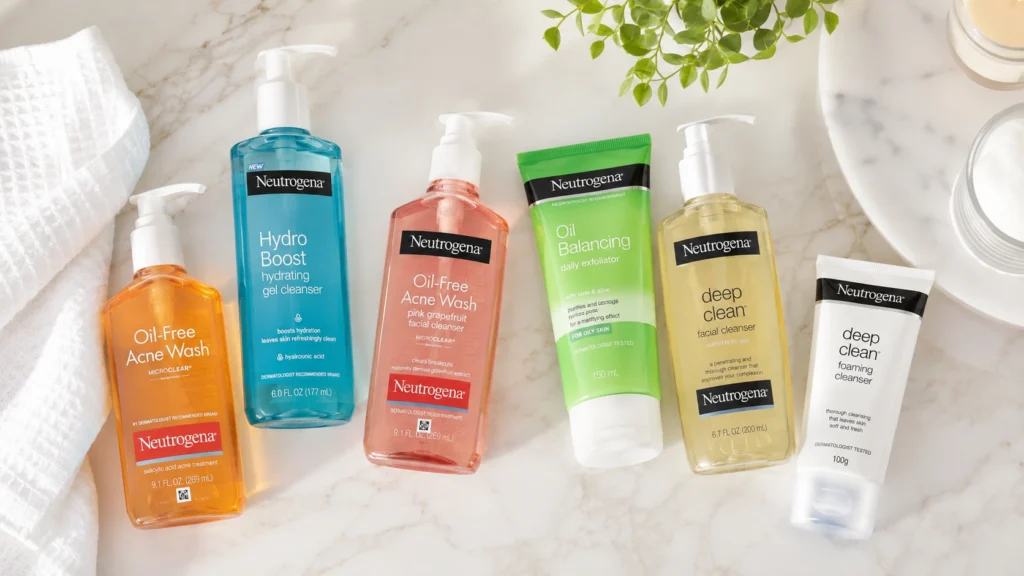
Quick Answer: Yes, Neutrogena face wash is generally good, but “good” depends heavily on which formula you pick and what your skin type actually is. The brand makes over a dozen cleansers, and they’re not all built equal.
Walk into any drugstore in America, and Neutrogena’s orange-capped bottles are right there, front and center. They’ve been there for decades. But does that shelf presence mean the product deserves a spot in your bathroom? Or is it just aggressive marketing riding on a legacy reputation?
Short answer: it’s complicated. And that’s exactly why we’re breaking it all the way down.
Because here’s the thing: a face wash isn’t just soap. It’s the first step in your entire skincare routine. It sets the pH balance of your skin, strips or preserves your moisture barrier, and determines how every product you layer on afterward actually performs. Getting it wrong matters.
Is Neutrogena Face Wash Actually Good for Your Skin?
For most people with normal to oily skin, yes, Neutrogena’s core cleansers deliver solid results at an accessible price point. The brand’s flagship formulas are dermatologist-tested, fragrance-light, and built around tried-and-true cleansing agents that don’t catastrophically disrupt the skin barrier.
But “good for your skin” isn’t a universal statement. Neutrogena makes cleansers across multiple categories: hydrating washes, acne-fighting gels, foaming formulas, micellar waters, and even cleansing towelettes. Each one behaves differently on different skin types. A gel formula loaded with salicylic acid that works beautifully on a 17-year-old with congested pores will absolutely wreck a 35-year-old with a compromised moisture barrier.
So the real question isn’t whether Neutrogena is good. It’s whether the right Neutrogena formula is good for you.
What Makes Neutrogena Face Wash Different From Drugstore Competitors?
Neutrogena stands apart from competitors like Cetaphil and CeraVe primarily through its formulation range and marketing investment in dermatologist partnerships — not necessarily because the ingredients are radically superior.
The brand leans hard on a few key differentiators:
- Long-standing dermatologist testing and endorsement programs that started in the 1960s
- Broader SKU range than most drugstore competitors, meaning there’s technically a formula for nearly every skin concern
- Heavy investment in active-ingredient research, salicylic acid, glycerin, and hyaluronic acid feature prominently in their newer launches.
- A price point that sits comfortably between bargain-bin cleansers and premium skincare brands
That said, the competition has caught up significantly. CeraVe, which is now owned by L’Oreal, just like Neutrogena, has arguably surpassed it in terms of barrier-repair technology, especially for sensitive and dry skin demographics. As of early 2026, market research from skincare trend trackers shows CeraVe outperforming Neutrogena in the “recommended by dermatologists” category on social platforms for the third year running, an interesting shift for a brand that once owned that positioning.
“Neutrogena built its brand on clinical credibility, and that credibility still holds for specific skin concerns like acne and oiliness. But the modern skincare consumer is more ingredient-literate than ever, and they’re scrutinizing labels in ways that older brand reputation can’t override.”— Senior Skincare Formulation Analyst, independent market commentary, 2026
Which Neutrogena Face Wash Is Best for Oily Skin?
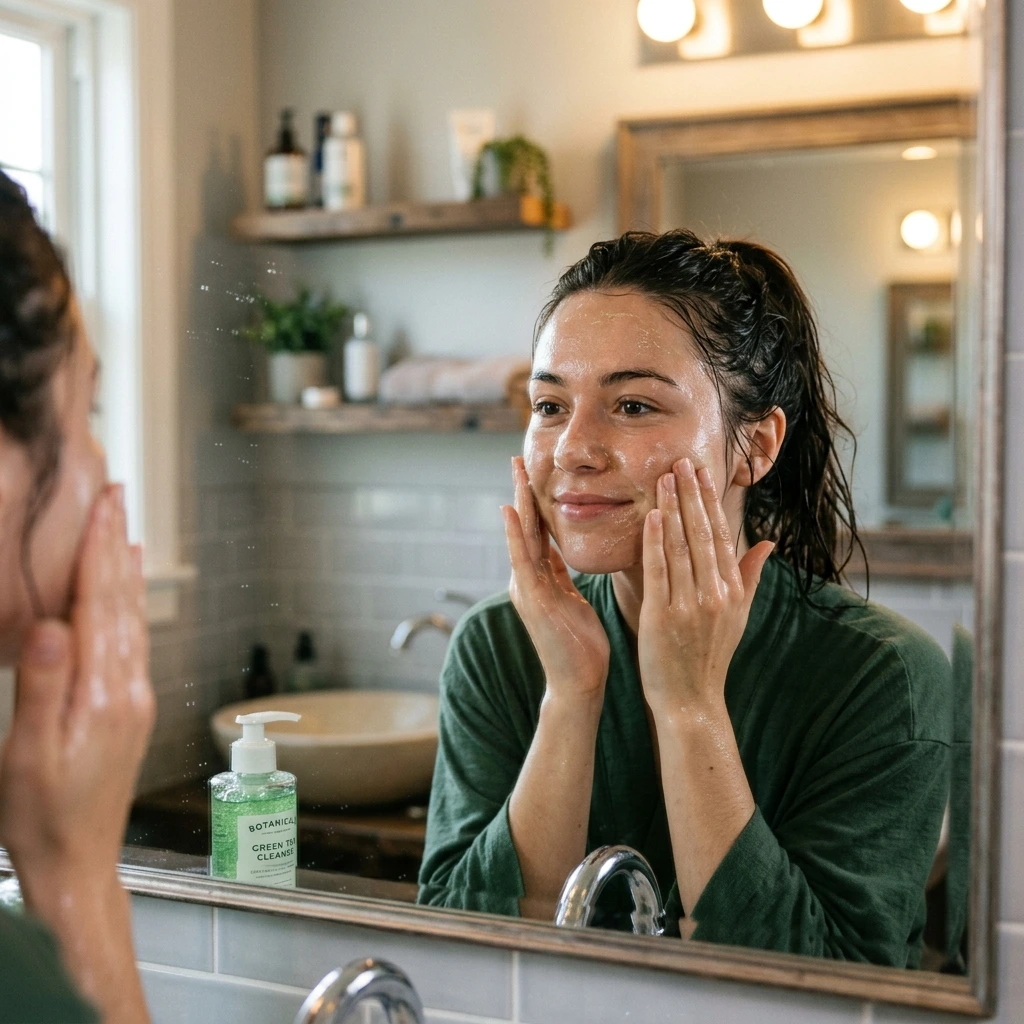
The Neutrogena Oil-Free Acne Wash is the best pick for oily skin. It contains 2% salicylic acid, a beta-hydroxy acid that penetrates pores, dissolves sebum buildup, and helps prevent the kind of congestion that leads to blackheads and breakouts.
Salicylic acid is oil-soluble, which means it doesn’t just sit on the surface of your skin like most cleansers. It actually gets into the pore lining. For people who deal with persistent oiliness, that 2% concentration is the sweet spot, strong enough to do the job, but not so aggressive that it causes raw irritation after a week of daily use.
What to watch, though: that same salicylic acid formula can be too stripping if you use it twice daily. Many dermatologists recommend once-daily use of the acne wash and a gentler hydrating cleanser in the morning.
Does Neutrogena Face Wash Help With Acne?
Yes, the salicylic acid-based formulas do help with mild to moderate acne, particularly blackheads, whiteheads, and surface-level breakouts. They work by chemically exfoliating inside the pore, reducing the dead skin cell buildup that causes blockages.
But let’s be clear about the ceiling. A face wash is a rinse-off product. It’s on your skin for maybe 30 to 60 seconds before you wash it away. That limits how deeply any active ingredient can work. Studies on salicylic acid cleansers show measurable improvement in mild acne, but for moderate-to-severe inflammatory acne, the painful, cystic kind, a cleanser alone won’t cut it. You’d need leave-on treatments, prescription topicals, or, in some cases, oral medication.
Neutrogena’s acne-fighting cleansers are best treated as a supportive step in a broader acne routine, not as a standalone cure.
Is Neutrogena Face Wash Good for Dry Skin?
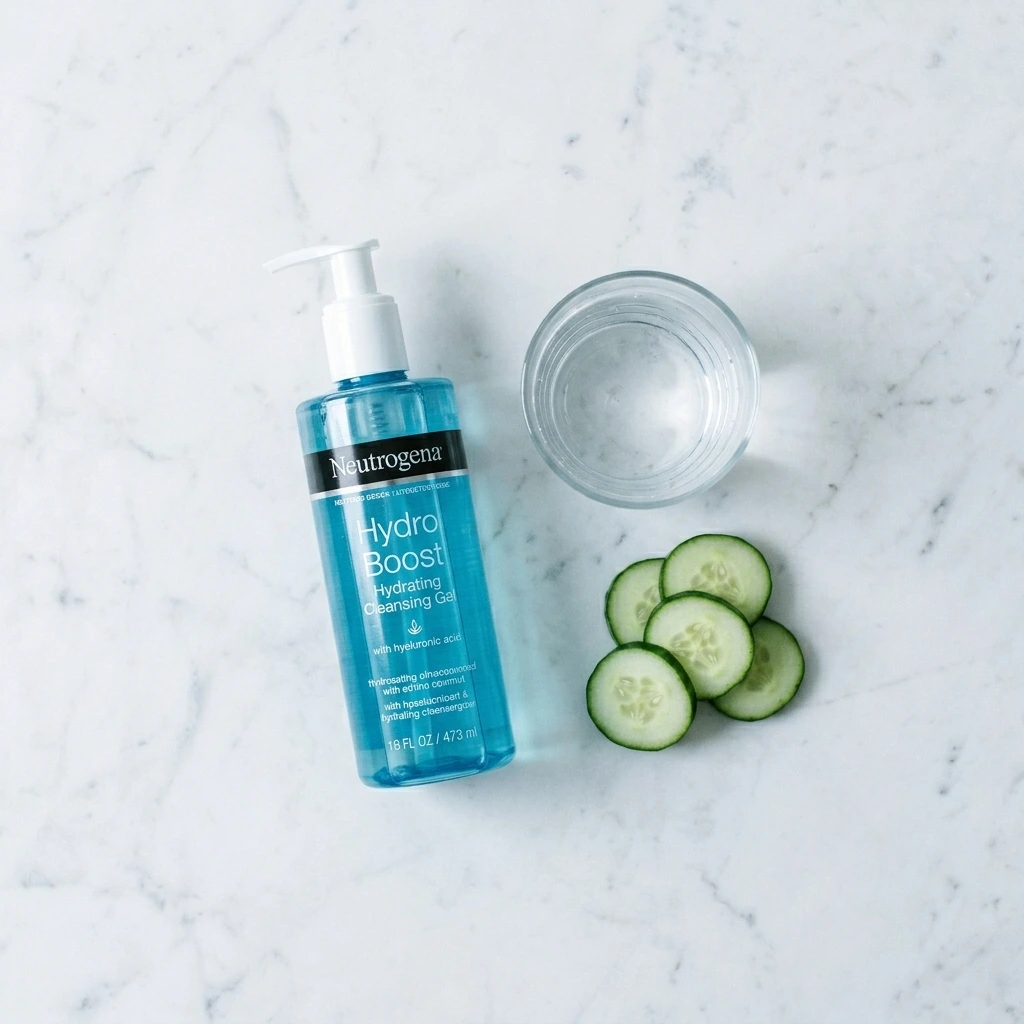
The standard foaming and gel formulas are not ideal for dry skin; they can strip the skin’s natural lipids and leave a tight, uncomfortable feeling. But Neutrogena’s Hydro Boost Hydrating Cleansing Gel is a legitimately good option for dry skin types.
The Hydro Boost line uses hyaluronic acid as its central active ingredient. Hyaluronic acid is a humectant; it pulls water into the skin and helps it stay there. In a cleanser format, it won’t deliver the same impact as a leave-on serum, but it does reduce the moisture-stripping effect that most foaming washes cause.
If you have dry or dehydrated skin and you’re committed to the Neutrogena range, stick to:
- Neutrogena Hydro Boost Hydrating Cleansing Gel fragrance-free, non-comedogenic, and gentle enough for twice-daily use
- Neutrogena Ultra Gentle Daily Cleanser is specifically formulated for sensitive skin, essentially sulfate-free, and very low-irritation
- Avoid the foaming wash and any formula with the word “refreshing” in the name; those tend to be higher-pH and more drying.
Is Neutrogena Face Wash Safe for Sensitive Skin?
Some Neutrogena formulas are safe for sensitive skin, particularly the Ultra Gentle line, but others contain ingredients that are likely to cause irritation for reactive skin types. Check the label before assuming any Neutrogena product is automatically gentle.
The Ultra Gentle Daily Cleanser is genuinely one of the better drugstore options for sensitive skin. It skips fragrance, alcohol, and harsh surfactants. The formula is based on mild amino acid surfactants that clean without triggering the inflammatory response that standard foaming cleansers can cause.
On the other hand, the classic Neutrogena Deep Clean Cream Cleanser contains ingredients that some sensitive-skin users flag as irritating, including certain preservative blends. It’s not a problem for most people. But if your skin reddens easily, reacts to environmental changes, or you’ve been diagnosed with rosacea or eczema, patch testing before committing to daily use is a smart move.
“The biggest mistake people make with drugstore cleansers, including Neutrogena, is grabbing whatever’s on sale without reading the ingredient list. For sensitive skin, that single habit change can save months of unexplained flare-ups.”Licensed Esthetician and Skincare Educator, community forum contribution, 2025
Does Neutrogena Face Wash Clog Pores?
Most Neutrogena face washes are labeled non-comedogenic, meaning they’re formulated to not clog pores. For the majority of users, this holds true, but non-comedogenic labeling isn’t a federal standard in the US, so it’s more of a brand claim than a regulatory guarantee.
The Oil-Free Acne Wash and the Hydro Boost Cleansing Gel have both earned strong non-comedogenic reputations based on years of consumer use data. Breakouts directly caused by these cleansers are reported at low rates.
That said, individual chemistry varies. Some people find that certain Neutrogena formulas, particularly the creamier or more emollient ones,do cause congestion for them personally. If you notice new small bumps or clogged pores after starting a new cleanser, give it two full weeks, then re-evaluate. Skin often purges briefly when you switch products, especially if you’re introducing actives like salicylic acid for the first time.
How Does Neutrogena Face Wash Compare to Cerave?
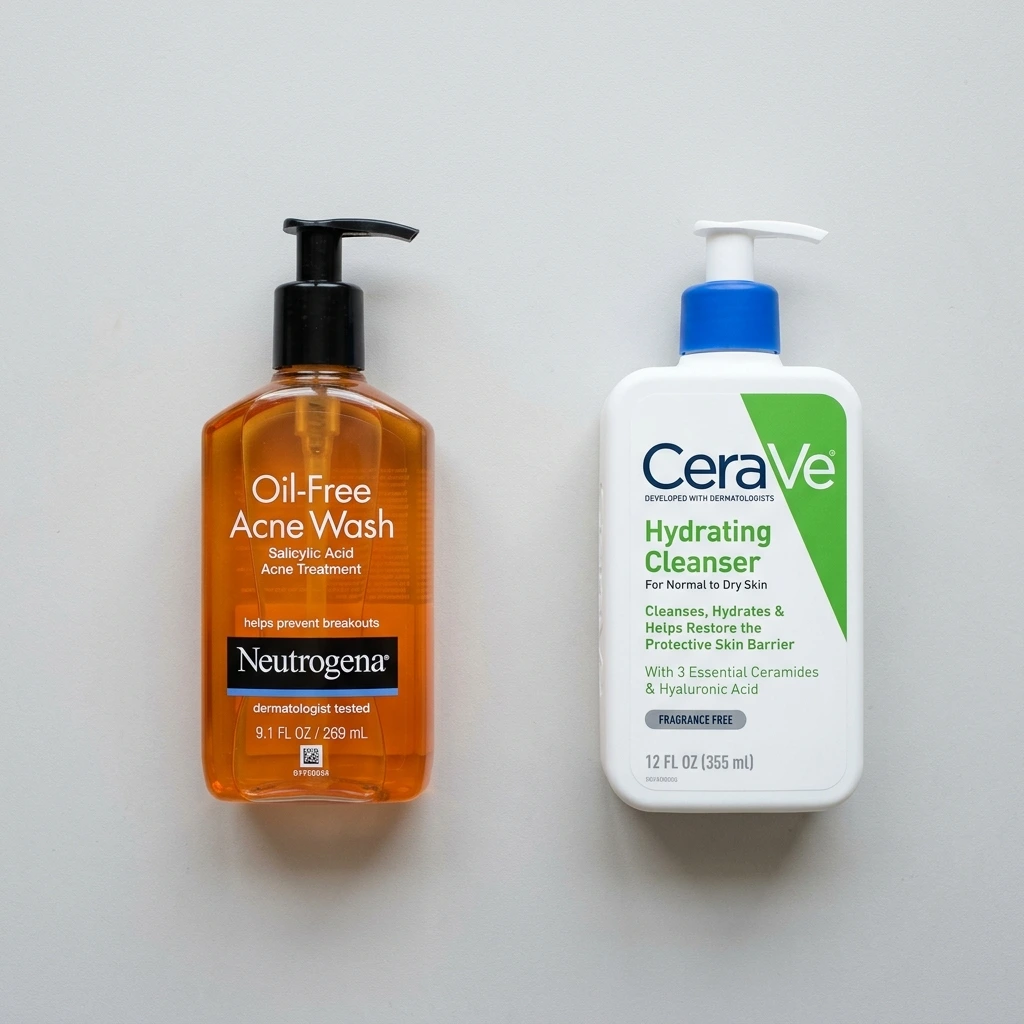
Neutrogena and CeraVe are both excellent drugstore cleansers, but they serve slightly different needs. CeraVe’s Hydrating Cleanser is generally better for dry, sensitive, or barrier-compromised skin. Neutrogena’s acne-focused formulas are better for oily, congested, or breakout-prone skin.
The core philosophical difference is this: CeraVe was built from the ground up around ceramide technology; the goal is always barrier restoration. Neutrogena was built around targeted treatment. The goal is to address specific skin concerns like acne, oiliness, or dullness.
Neither brand is objectively superior. They just have different design philosophies, and the right choice depends on what your skin needs most right now.
A useful practical guide:
- If your skin feels tight, flaky, or reactive: reach for CeraVe Hydrating Cleanser
- If your skin is oily, prone to blackheads, or breaks out regularly, Neutrogena Oil-Free Acne Wash is worth trying.
- If your skin is balanced and you just need a daily clean, either brand works fine at their basic formulas.
- If you’re managing rosacea or have been diagnosed with eczema, check with a dermatologist before committing to either.
Is Neutrogena Face Wash Worth the Price?
Yes, Neutrogena face washes offer solid value in their price range. Most bottles cost between seven and fifteen dollars US, depending on the formula, and a single bottle typically lasts six to eight weeks with daily use.
You’re not overpaying for marketing on a product that underdelivers. The formulas are backed by real clinical testing, the actives are present at functional concentrations, and the manufacturing quality is consistent. That’s a reasonable deal for a daily-use skincare essential.
Where Neutrogena starts to look less impressive in value terms is when you compare it to newer drugstore entrants’ brands like INKEY List or The Ordinary’s cleansing range that deliver comparable or superior active-ingredient profiles at a similar or lower price point. But if availability matters to you (and it does for many people), Neutrogena’s presence in virtually every pharmacy, grocery store, and mass retailer in the US is a real convenience advantage.
“Price alone never tells you whether a cleanser is worth it. The question is whether the formula delivers what it promises without wrecking your skin in the process. By that metric, Neutrogena’s core lineup genuinely earns its shelf space.”Cosmetic Chemistry Consultant, independent editorial review, early 2026
What Are the Best Neutrogena Face Washes to Try in 2026?
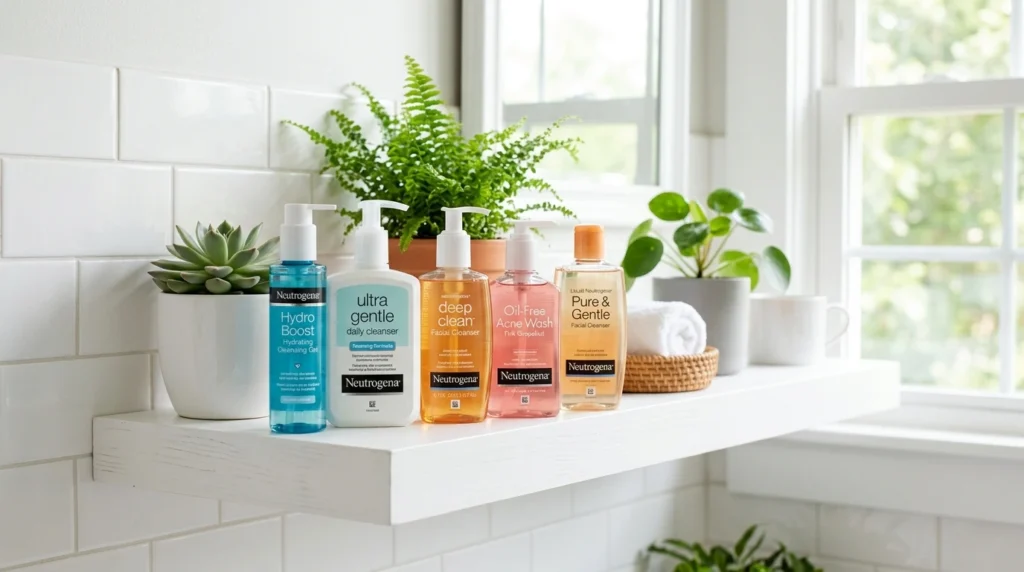
The top-performing Neutrogena cleansers right now, based on ingredient quality, consumer feedback, and formulation integrity, are these:
- Neutrogena Hydro Boost Hydrating Cleansing Gel is best overall for normal to dry skin; hyaluronic acid base, fragrance-free, genuinely doesn’t strip.
- Neutrogena Oil-Free Acne Wash (Pink Grapefruit) best for oily and acne-prone skin; 2% salicylic acid, light citrus scent that’s tolerable for most
- Neutrogena Ultra Gentle Daily Cleanser is best for sensitive skin; the quietest, most stripped-back formula in the range.
- Neutrogena Bright Boost Illuminating Serum Cleanser is best for dull or uneven skin tone; mandelic acid and PHA provide gentle surface exfoliation.
- Neutrogena Deep Clean Cream Cleanser is best for combination skin needing a deeper clean; salicylic acid at a lower concentration than the Acne Wash.
Is Neutrogena Face Wash Good for Teenagers?
Yes, Neutrogena’s acne-focused cleansers are among the most appropriate drugstore options for teenage skin specifically because teen skin tends to be oilier and more prone to hormonal breakouts than adult skin.
The Oil-Free Acne Wash at 2% salicylic acid is widely recommended as a first-step acne product for teens precisely because it’s available without a prescription, tolerated by most skin types, and effective enough to address the surface-level congestion and mild inflammatory breakouts that are common in adolescence. Pair it with a non-comedogenic moisturizer and an SPF, and you’ve got a solid starter routine.
Are There Any Side Effects of Neutrogena Face Wash?
Side effects are uncommon but do happen, especially with the active-ingredient formulas. The most frequently reported issues include dryness or tightness (from over-stripping), mild irritation or redness, and, in rare cases, allergic reactions to preservative compounds.
The salicylic acid formulas specifically can cause:
- Increased sun sensitivity should always be followed with SPF in the morning.
- Peeling or flaking if used more than once daily on already-dry skin
- Initial purging a temporary increase in breakouts during the first two to three weeks as the formula clears congested pores
For most people, these side effects resolve on their own. If irritation persists beyond two weeks or becomes severe, discontinue and consult a dermatologist.
Bottom Line
Neutrogena face wash is genuinely good, but only if you’re using the right formula for your actual skin type. The brand’s acne-focused range is among the best drugstore options for oily and breakout-prone skin. The Hydro Boost line is a solid choice for dry and dehydrated skin. And the Ultra Gentle range is reliable for sensitive types. Where it falls short is in barrier repair for compromised or reactive skin, where CeraVe or prescription alternatives do a better job. Pick the right formula, use it consistently, follow it with moisturizer and SPF, and Neutrogena will absolutely hold its own against products costing three times as much.